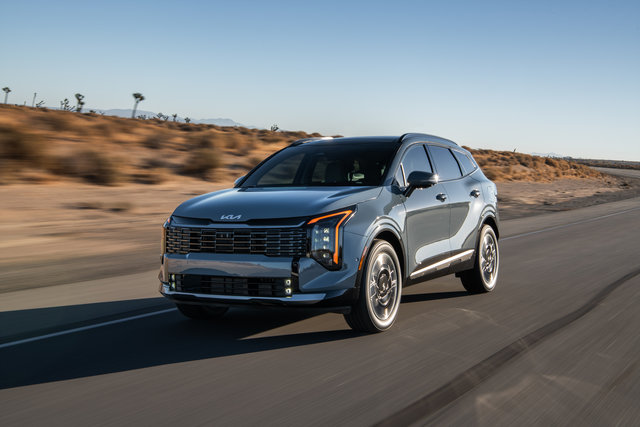
Three plug-in hybrids. Three very different vehicles. The same core question for every buyer considering one: how far can it go on electricity before the gasoline engine kicks in? That figure — all-electric range (AER) — is where these models separate, and it has a direct effect on how much fuel you actually burn in daily driving.
The 2026 Kia PHEV lineup covers three distinct vehicle classes, from a compact crossover to a three-row family SUV. All three use a 360V lithium-ion polymer battery, all three pair a 1.6 L turbocharged engine with an electric motor, and all three offer front- or all-wheel drive depending on the model. Here is how they rank by electric-only range — and what that ranking means in practice.
At a Glance: 2026 Kia PHEV Electric Range Comparison
|
Model
|
All-Electric Range
|
Battery
|
Drive
|
|
Niro PHEV
|
55 km
|
11.1 kWh (360V)
|
FWD
|
|
Sorento PHEV
|
55 km
|
88 kW discharge (360V)
|
AWD
|
|
Sportage PHEV
|
53 km
|
13.8 kWh (360V)
|
AWD
|
#1 (Tied): Niro PHEV — 55 km, 2.1 Le/100 km
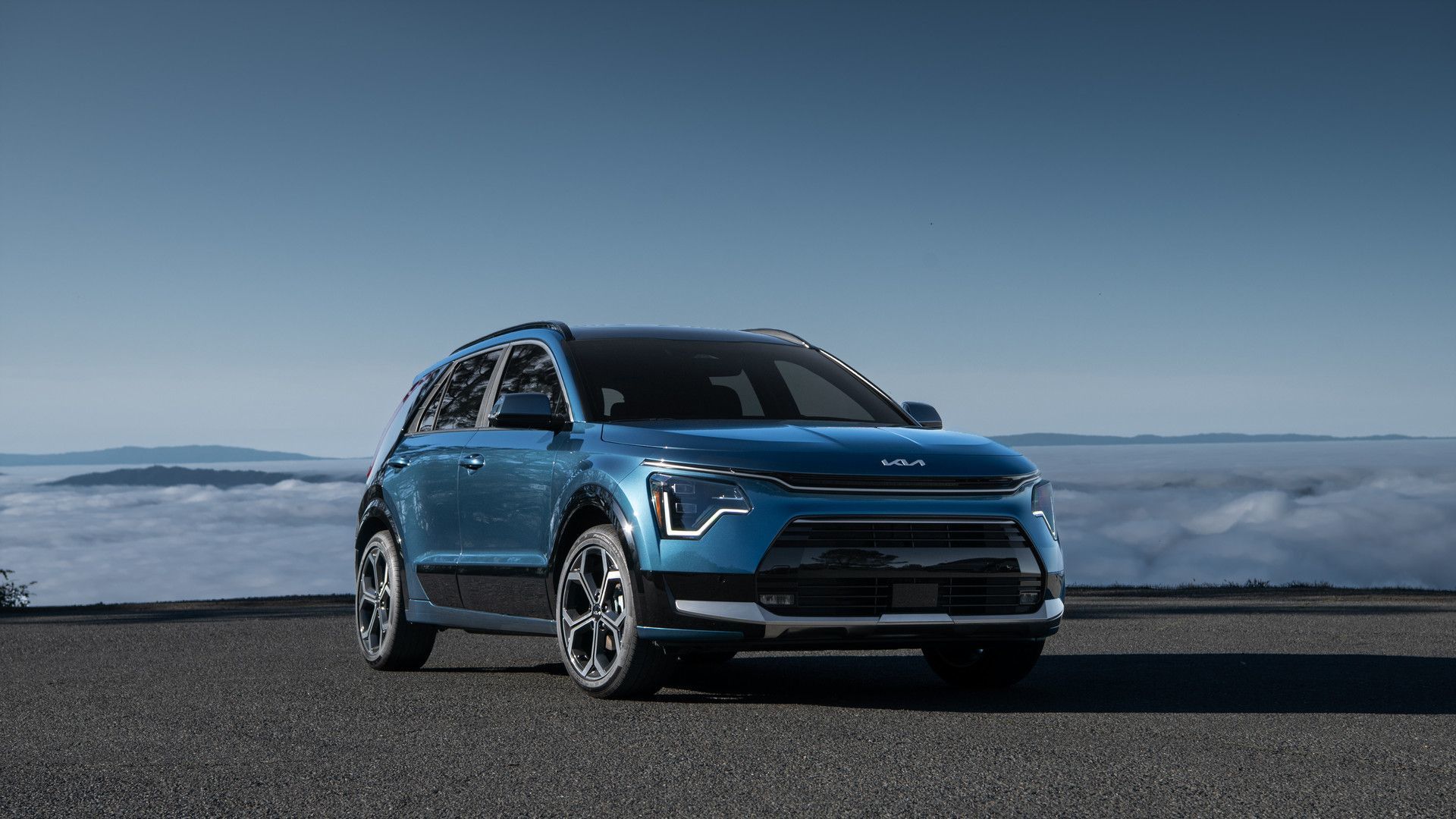
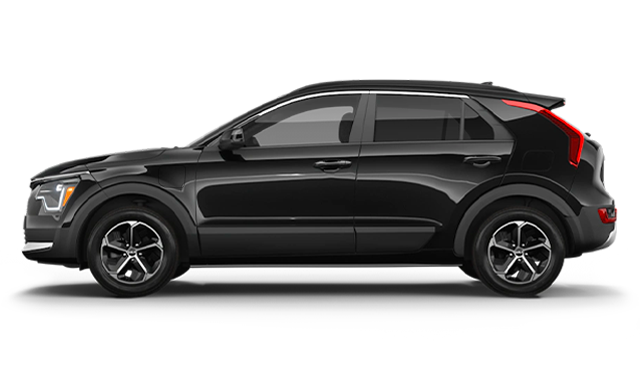
The Niro PHEV leads the combined efficiency ranking despite sharing the top AER spot. At 2.1 Le/100 km on the combined gas-and-electric rating, it is the most fuel-efficient PHEV in Kia's 2026 Canadian lineup. The Niro runs on a 1.6 L GDI 4-cylinder engine paired with a permanent magnet synchronous motor — 180 hp combined, 195 lb-ft of torque. It is FWD only, with a 37 L fuel tank, and a maximum total range of up to 835 km on a full tank of gas combined with a full charge.
For daily commuters whose round trip stays under 55 km, the Niro PHEV can handle the whole journey on electricity. And in a subcompact footprint, it also delivers 550 L of cargo space with seats up and 1,546 L with seats folded.
- All-electric range: 55 km
- Combined efficiency: 2.1 Le/100 km (gas + electric) / 4.8 L/100 km (gas only)
- Battery: 11.1 kWh (360V)
- Drive: FWD
- Power: 180 hp / 195 lb-ft combined
#1 (Tied): Sorento PHEV — 55 km, 2.8 Le/100 km
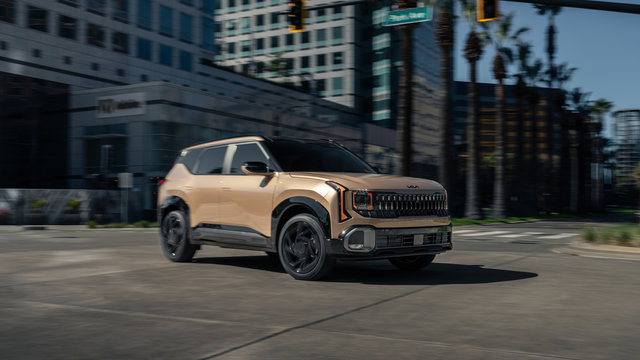
The Sorento PHEV matches the Niro's 55 km AER but does so in a completely different vehicle class — a three-row family SUV with AWD standard on every trim. The larger 88 kW discharge battery (360V) supports the heavier platform while still delivering the same electric range figure. Combined output reaches 268 hp and 270 lb-ft, making the Sorento PHEV the most powerful model in this ranking.
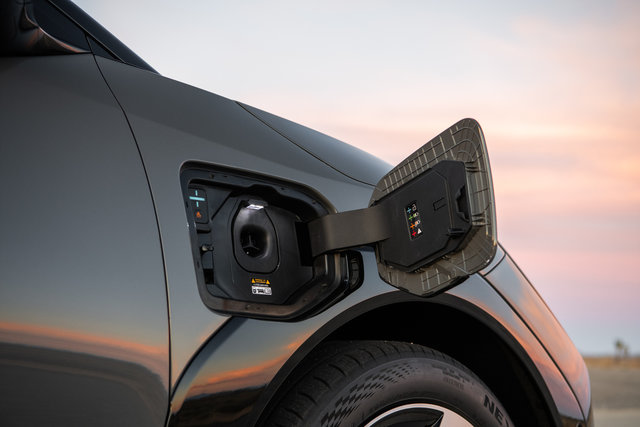
The Sorento PHEV's combined efficiency rate of 2.8 Le/100 km reflects the additional weight and AWD hardware, but it remains a strong figure for a three-row SUV that can tow up to 2,000 lbs (907 kg) when properly equipped. A full charge takes an estimated 3.8 hours on 240V Level 2 charging. Cargo capacity reaches 2,139 L (75.5 cu. ft.) behind the first row, 1,090–1,274 L behind the second row, and 357 L behind the third row.
For families who need three-row seating, AWD traction, and meaningful electric range in a single vehicle, the Sorento PHEV is the answer no other model in this ranking can provide.
- All-electric range: 55 km
- Combined efficiency: 2.8 Le/100 km (gas + electric) / 6.9 L/100 km (gas only)
- Battery: 360V / 88 kW discharge
- Charge time: Approximately 3.8 hours (240V Level 2)
- Drive: AWD (standard all trims)
- Power: 268 hp / 270 lb-ft combined
- Towing: Up to 2,000 lbs (907 kg) when properly equipped
#3: Sportage PHEV — 53 km
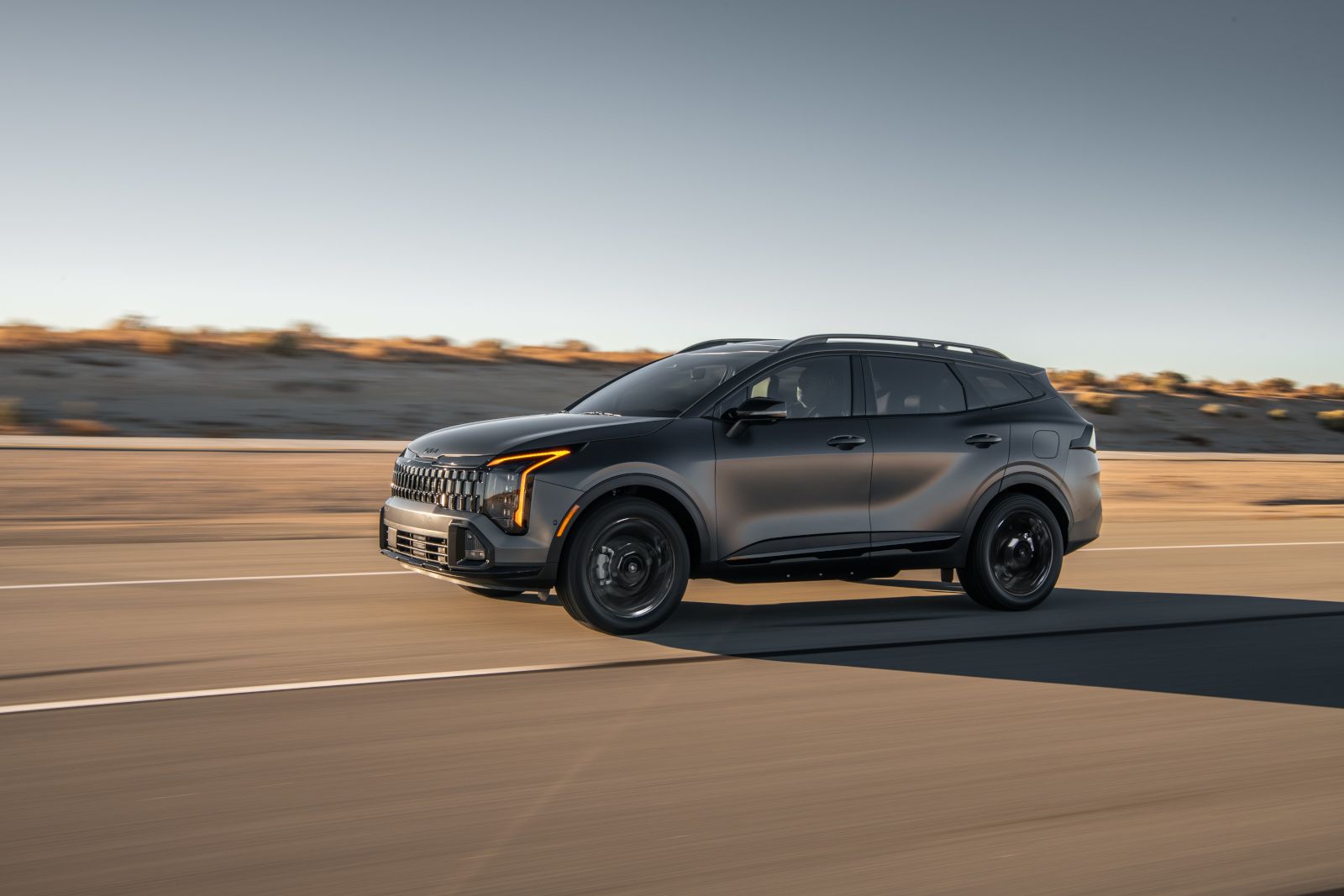
The Sportage PHEV arrives 2 km behind the leaders with a confirmed all-electric range of 53 km — a practical difference for most daily driving patterns, but a close one. It uses a 1.6 L turbocharged 4-cylinder engine paired with a permanent magnet synchronous motor producing 268 hp combined and 271 lb-ft of torque, routed through a 6-speed automatic transmission in AWD.
The 13.8 kWh battery (360V / 88 kW discharge) is the largest battery pack of the three models by energy capacity. The Sportage PHEV sits in the compact SUV class, giving buyers a vehicle that is larger than the Niro but smaller than the Sorento — useful for those who want SUV cargo room and AWD without the full three-row footprint. Cargo capacity is 977 L (34.5 cu. ft.) behind the second row with the floor raised, and 1,855 L (65.5 cu. ft.) behind the first row. The Sportage PHEV can tow up to 2,000 lbs (907 kg) when properly equipped.
- All-electric range: 53 km
- Battery: 13.8 kWh (360V / 88 kW discharge)
- Drive: AWD (standard all trims)
- Power: 268 hp / 271 lb-ft combined
- Towing: Up to 2,000 lbs (907 kg) when properly equipped
- Cargo (behind 2nd row, floor raised): 977 L
What the Rankings Mean for Your Driving
The three-way comparison reads differently depending on how you actually use the vehicle.
If your daily driving is under 55 km and you want the lowest possible fuel cost in the smallest possible footprint, the Niro PHEV leads on efficiency with its 2.1 Le/100 km combined rating.
If you need to carry a full family of seven or eight, want AWD traction, and need towing capability, the Sorento PHEV matches the Niro on electric range while delivering a completely different scale of vehicle. The 55 km AER figure holds regardless of how large the SUV is.
If you want a compact SUV with AWD, a roomy cargo floor, and 53 km of electric range — close enough to the top figure for most commuting patterns — the Sportage PHEV fills that gap between the Niro's subcompact package and the Sorento's full three-row size.
All three models deliver real, usable electric-only range that covers the average Canadian daily commute on a single charge. The choice comes down to vehicle size, seating needs, and how much you value AWD traction.
Explore the Kia PHEV Lineup at Bessada Kia
The Niro PHEV, Sportage PHEV, and Sorento PHEV are all part of the 2026 Kia lineup. To compare them in person and determine which fits your daily routine, contact the team at Bessada Kia in Pickering.
To learn more about the 2026 Kia Sportage PHEV, visit Kia.ca