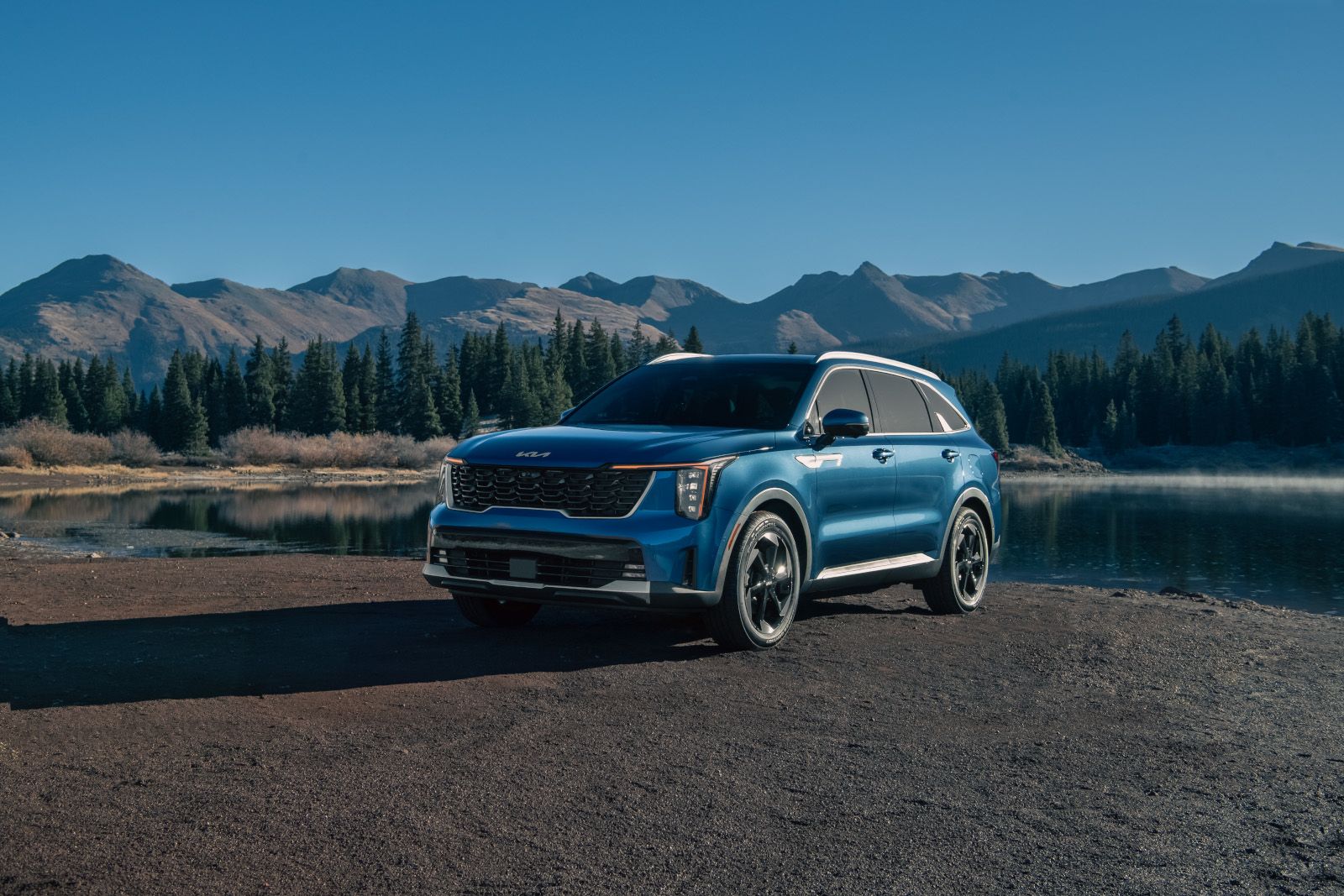
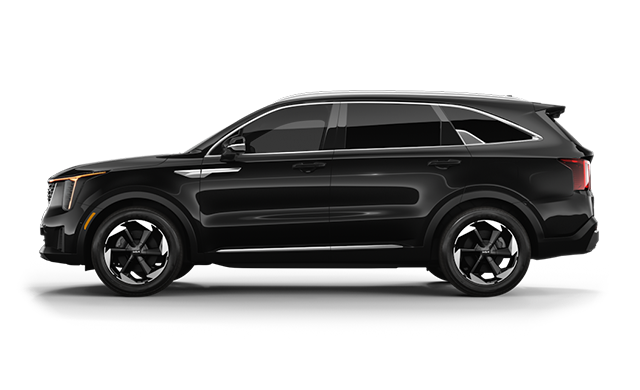
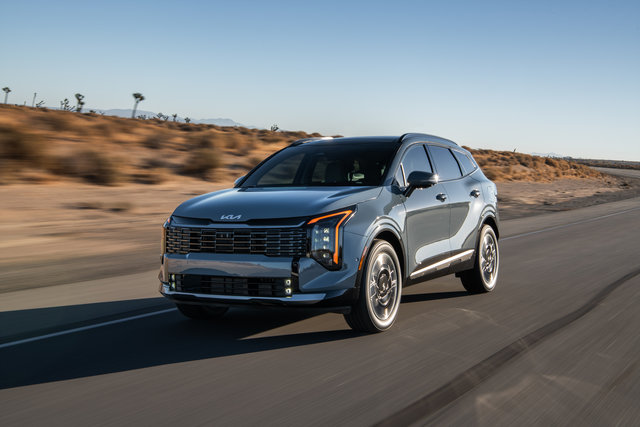
Shopping for a three-row SUV in Ontario often comes down to one question: how many seats do you really need, and what do you give up to get them? The 2026 Kia Sorento’s six-passenger layout, built around second-row captain’s chairs on the HEV and PHEV, trades bench-seat capacity for personal space and easier third-row access.
If you’re weighing whether six seats work for your household before a summer of cottage runs, here’s what the layout actually delivers.
Why the Six-Passenger Layout Works
The Sorento HEV and PHEV pair six-passenger seating with a second row that slides, reclines, and folds by remote control. Because the second row is split into two individual chairs rather than one bench, there’s a gap between them that lets kids and adults walk straight into the third row instead of climbing over folded seatbacks.
The 50:50 split-folding second and third rows mean you can carry two rear passengers and a full cargo load at the same time, and the third-row headrests fold automatically when you drop those seats, so loading a cooler or stroller doesn’t start with wrestling headrests out of the way.
Dual-zone automatic climate control feeds a rear console vent and dedicated second- and third-row heating ducts, and heated second-row seats are available on higher trims. Less shoulder contact between second-row passengers, combined with individual recline, makes a real difference on longer highway stretches.
Strengths That Matter to Ontario Families
- A walk-in second row and remote-folding seats mean loading kids or gear into the third row doesn’t require a three-point turn around a folded bench.
- The smart power liftgate opens automatically and lets you set a maximum opening height, useful in a tighter garage.
- Digital Key lets a second driver use a smartphone instead of a spare fob.
- Front and rear USB ports, plus a 12V cargo outlet, keep devices charged on long drives without hunting for an adapter.
Cargo That Keeps Up With Summer Trips
How much room you get depends entirely on how many rows you’re using. With all six seats in place behind the third row, the Sorento still holds 357 L for daily gear. Fold the third row and that grows substantially; drop the second row too and you’re working with the full cargo hold.
|
Configuration
|
Cargo Space
|
|
Behind third row (all seats in use)
|
357 L
|
|
Behind second row (third row folded)
|
up to 1,274 L
|
|
Behind first row (second and third rows folded)
|
2,139 L
|
That range covers a lot of summer scenarios: 357 L behind the third row is enough for beach bags and a cooler on a full six-passenger trip, while folding down to 1,274 L or the full 2,139 L handles cottage gear, strollers, or trailer accessories when you’re not carrying a full load of passengers.
Who This Sorento Fits Best
The six-passenger captain’s chair layout suits families who use the third row often enough that walk-in access matters, whether that’s car seats, grandparents, or rotating carpool duty. It also suits anyone who wants genuine personal space in the second row rather than three people sharing one bench.
It’s a less obvious fit for buyers who rarely fill six seats and mainly want maximum flexible cargo width across the second row. For most Ontario families running kids, gear, and the occasional extra passenger to a cottage or the beach, the captain’s-chair configuration is built around exactly that pattern of use.
Interior materials and climate features scale with trim. The LX brings cloth seats, a 12.3-inch touchscreen, six-speaker audio, and a 19-inch wheel package as standard. Move up and synthetic leather or full leather seating becomes available, along with a 12.3-inch instrument cluster in place of the LX’s 4-inch display, a heated steering wheel, driver’s seat memory, and air-cooled front seats. Higher PHEV trims also add a panoramic curved display that houses the driving and infotainment screens together.
HEV or PHEV: Making the Call
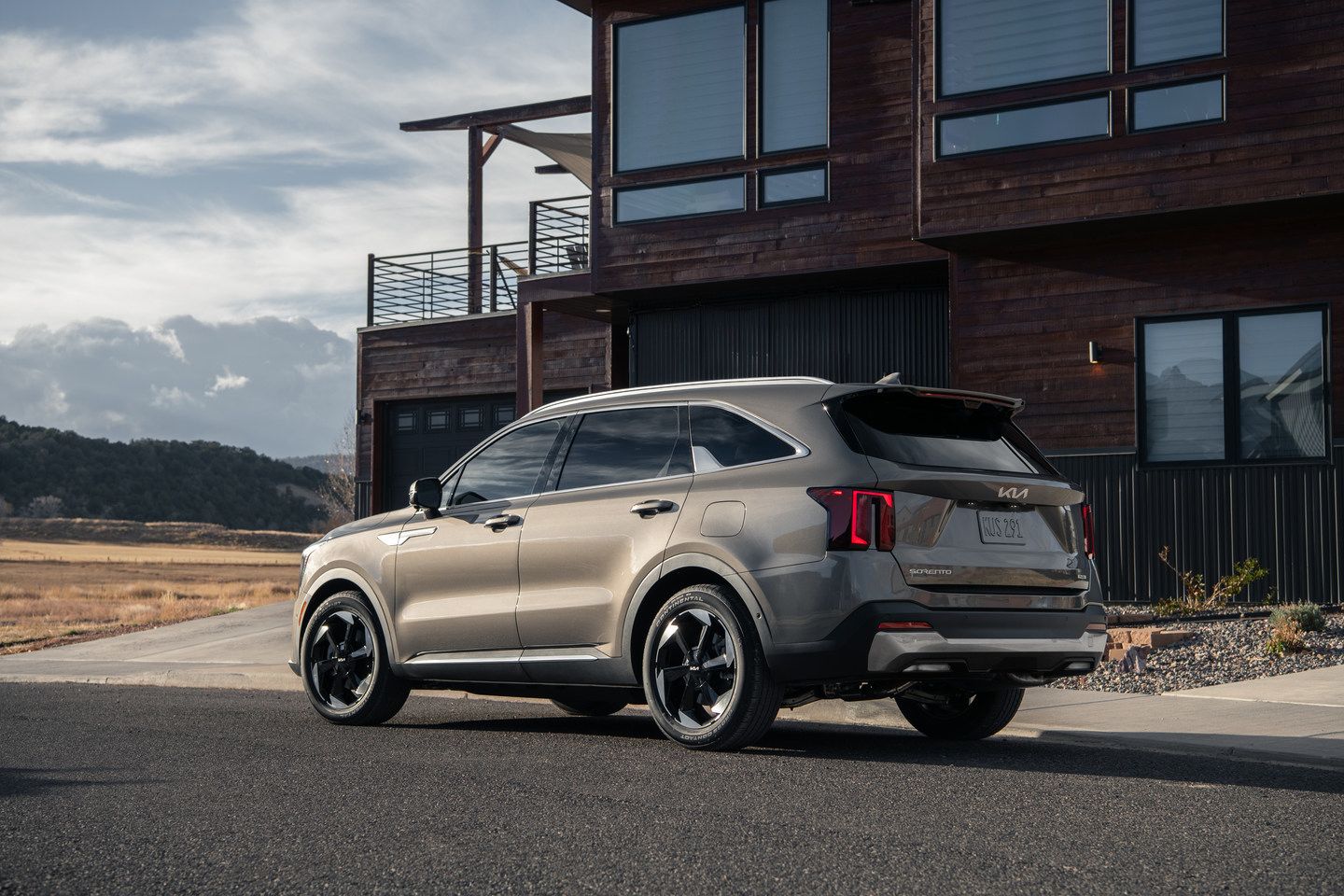
Both electrified Sorentos use a turbocharged 1.6L inline-4 paired with an electric motor, AWD, and a 6-speed automatic, but they’re tuned for different driving patterns.
| |
HEV
|
PHEV
|
|
Horsepower (combined)
|
227 hp
|
268 hp
|
|
Torque (combined)
|
258 lb-ft
|
270 lb-ft
|
|
Combined fuel economy
|
7.0 L/100km
|
6.9 L/100km (gasoline only) / 2.8 Le/100km
|
|
Electric range
|
Not applicable
|
55 km
|
|
Charge time (240V)
|
Not applicable
|
3.8 hours
|
|
Max towing
|
up to 2,000 lbs (907 kg)
|
up to 2,000 lbs (907 kg)
|
The HEV never needs to be plugged in. Its regenerative braking and electric assist are built for stop-and-go city driving, and a combined 7.0 L/100km makes it a straightforward pick for families doing long rural highway drives or without reliable access to home charging.
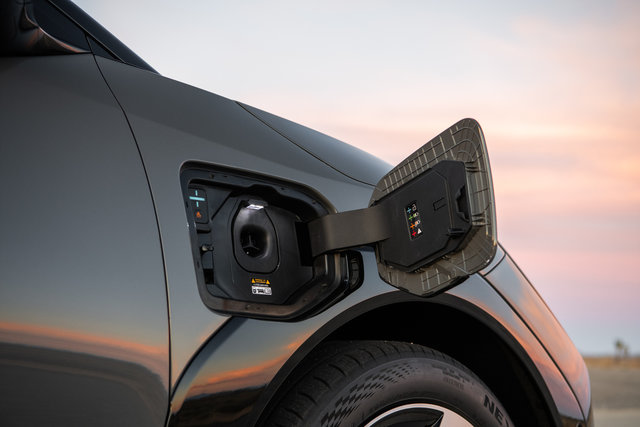
The PHEV adds 55 km of all-electric range and can recharge in 3.8 hours on a 240V connection. For a family that can plug in overnight, that’s often enough to cover a daily commute and school runs on electricity alone, with the 268-hp gasoline-electric powertrain available for longer weekend trips. Families who can charge nightly get more from the PHEV’s electric range; those who can’t, or who log more highway kilometres than city ones, get a simpler ownership pattern from the HEV.
Both powertrains carry a 96-month/150,000 km battery warranty, on top of the 60-month/100,000 km basic and powertrain coverage.
Book a Look at the Sorento’s Six-Passenger Layout
The 2026 Sorento’s six-passenger captain’s chair configuration is built to make the second and third rows genuinely usable, not just occupied, while keeping cargo flexible for cottage weekends and everyday errands alike.
Visit Bessada Kia in Pickering to sit in the second-row captain’s chairs, test the walk-in access to the third row, and compare the HEV and PHEV powertrains against your own commute and charging routine.
To learn more about the 2026 Kia Sorento HEV, visit Kia.ca