Gas prices swing, commutes stack up, and every kilometre on the odometer has a cost attached to it. For Ontario drivers cross-shopping SUVs, the real question isn’t the sticker price alone, it’s what the vehicle costs to run week after week.
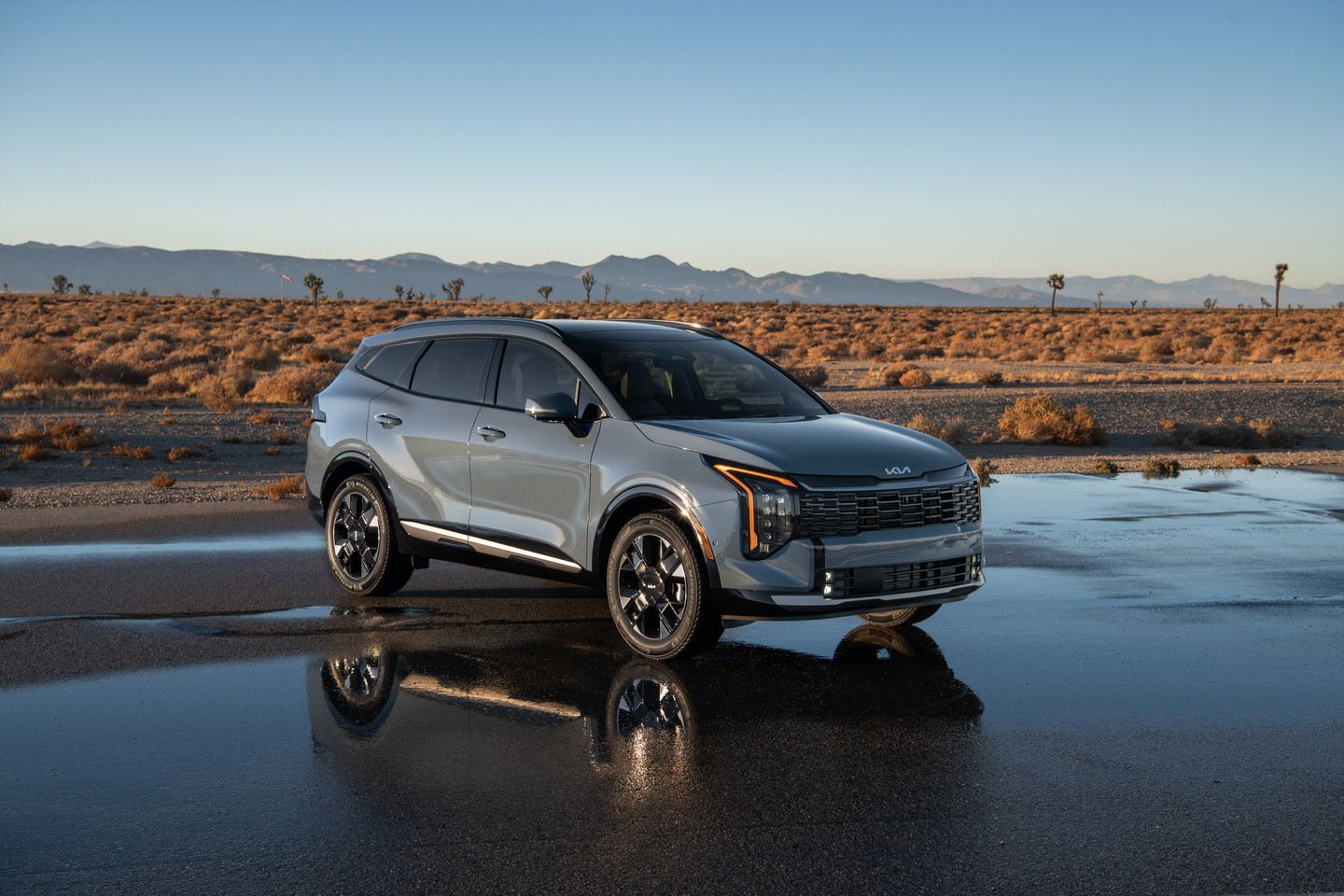
The 2026 Kia Sportage HEV is built around a hybrid system that keeps that weekly number in check, whether the week is mostly commuting, mostly errands, or a mix of both.
Why Weekly Operating Cost Deserves a Closer Look
Most SUV shopping conversations centre on price tags and financing. Fewer buyers stop to map out what a typical week of driving actually costs once the vehicle is in the driveway.
That gap matters more for a hybrid. The Sportage HEV’s fuel economy isn’t a flat number, it shifts with how and where you drive it. A week of stop-and-go city traffic behaves differently than a week dominated by highway trips to cottage country.
Understanding that range before visiting the dealer means asking the right questions once you’re there, instead of anchoring only on the number printed on the window sticker.
The Hybrid System Behind the Numbers
The Sportage HEV pairs a 1.6 L turbocharged four-cylinder engine with an electric motor, combining for 231 hp. The gasoline engine and electric motor each contribute 195 lb-ft of torque, and the combined system produces 271 lb-ft. All Sportage HEV trims come with standard all-wheel drive.
That combination is rated at 6.7 L/100 km combined, and the city and highway figures land at the same 6.7 L/100 km. That consistency is a useful detail for weekly budgeting: unlike a conventional gas engine, the Sportage HEV doesn’t punish city driving the way a purely gas-fed SUV does.
Here’s what tends to move a week’s fuel spend up or down:
- Total kilometres driven that week
- Local fuel price swings
- Driving style (steady versus aggressive acceleration)
- Winter conditions and cold starts
- Load size and number of passengers
City Stop-and-Go Versus Highway-Heavy Weeks
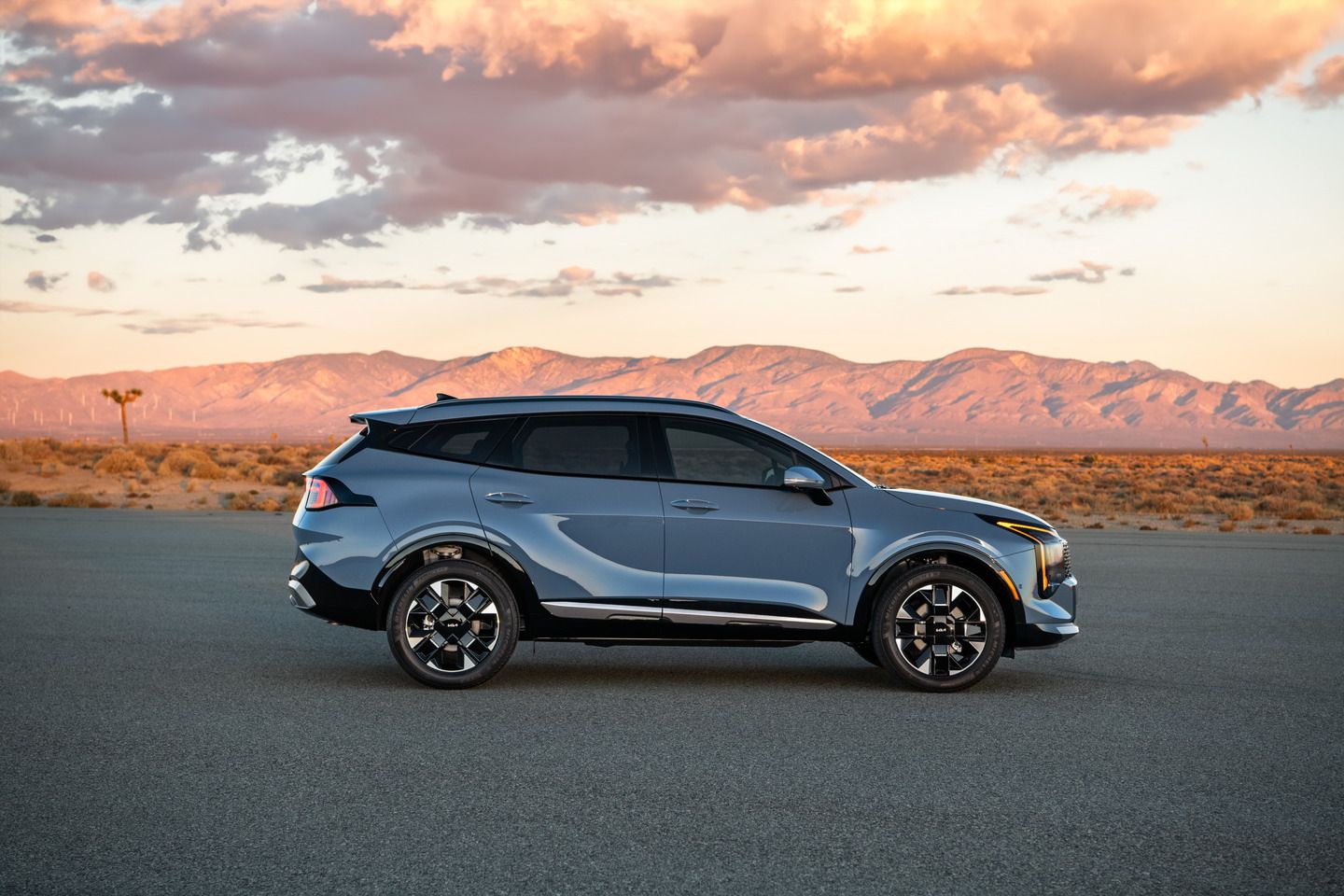
Hybrid systems generally do their best work in stop-and-go traffic, where the electric motor and regenerative braking take over from the gasoline engine at low speeds and during braking. A week heavy on urban congestion and short suburban errands is exactly where that system earns its keep.
A week that leans more on steady highway cruising, say a longer weekend trip out of the city, relies more on the gasoline engine holding a constant speed. The Sportage HEV’s rated economy stays close either way, since the city and highway figures match at 6.7 L/100 km, but the margin a driver actually feels day to day tends to favour congested, lower-speed driving.
Winter conditions add another variable. Cold starts, longer idle times, and reduced regenerative braking efficiency in freezing temperatures can push consumption higher than the rated figure, regardless of which type of week it is.
Refuelling Rhythm and Everyday Convenience
How often the Sportage HEV needs a fill-up depends directly on weekly kilometres and trip mix. A commuter doing a shorter daily drive with occasional errands will stretch fill-ups further than someone racking up longer highway distances every week.
For busy households, fewer trips to the pump isn’t just a cost question, it’s a time question. A commuter juggling school drop-offs, errands, and a daily drive benefits from not having to work refuelling into an already tight schedule.
Ownership costs beyond fuel follow familiar SUV patterns: routine maintenance, tire wear tied to all-wheel-drive use, and seasonal upkeep. None of these are unique to the hybrid powertrain, but they factor into the full weekly and monthly picture alongside fuel spend.
The Sportage HEV’s maximum towing rating is 2,000 lbs (907 kg), and cargo space behind the second row runs to 1,119 L with the seats up. Both figures matter for anyone whose weekly routine includes hauling gear or making frequent cargo runs, since a vehicle sized to handle those loads without a second trip saves both fuel and time.
Who Benefits Most From This Ownership Pattern
The Sportage HEV’s weekly cost profile suits a specific set of drivers best. Commuters doing daily stop-and-go trips through congested corridors will see the hybrid system working at its most effective, since that’s where the electric motor and regenerative braking do the most work.
Families juggling school runs, errands, and weekend trips also benefit, since the standard all-wheel drive and 5-passenger cargo space handle mixed-use weeks without requiring a second vehicle for hauling.
Drivers whose weeks are almost entirely long highway hauls will still see steady, predictable fuel spend, just without the added city-driving advantage the hybrid system is built around.
Bringing the 2026 Sportage HEV Home to Pickering
Weekly running costs on the 2026 Kia Sportage HEV come down to how many kilometres you drive, where you drive them, and how consistently you can rely on that 6.7 L/100 km combined rating across a mixed Ontario week.
Visit Bessada Kia in Pickering to walk through your own weekly driving pattern with a member of the sales team and see how the Sportage HEV’s hybrid system and standard all-wheel drive fit your routine.
To learn more about the 2027 Kia Sportage HEV, visit Kia.ca