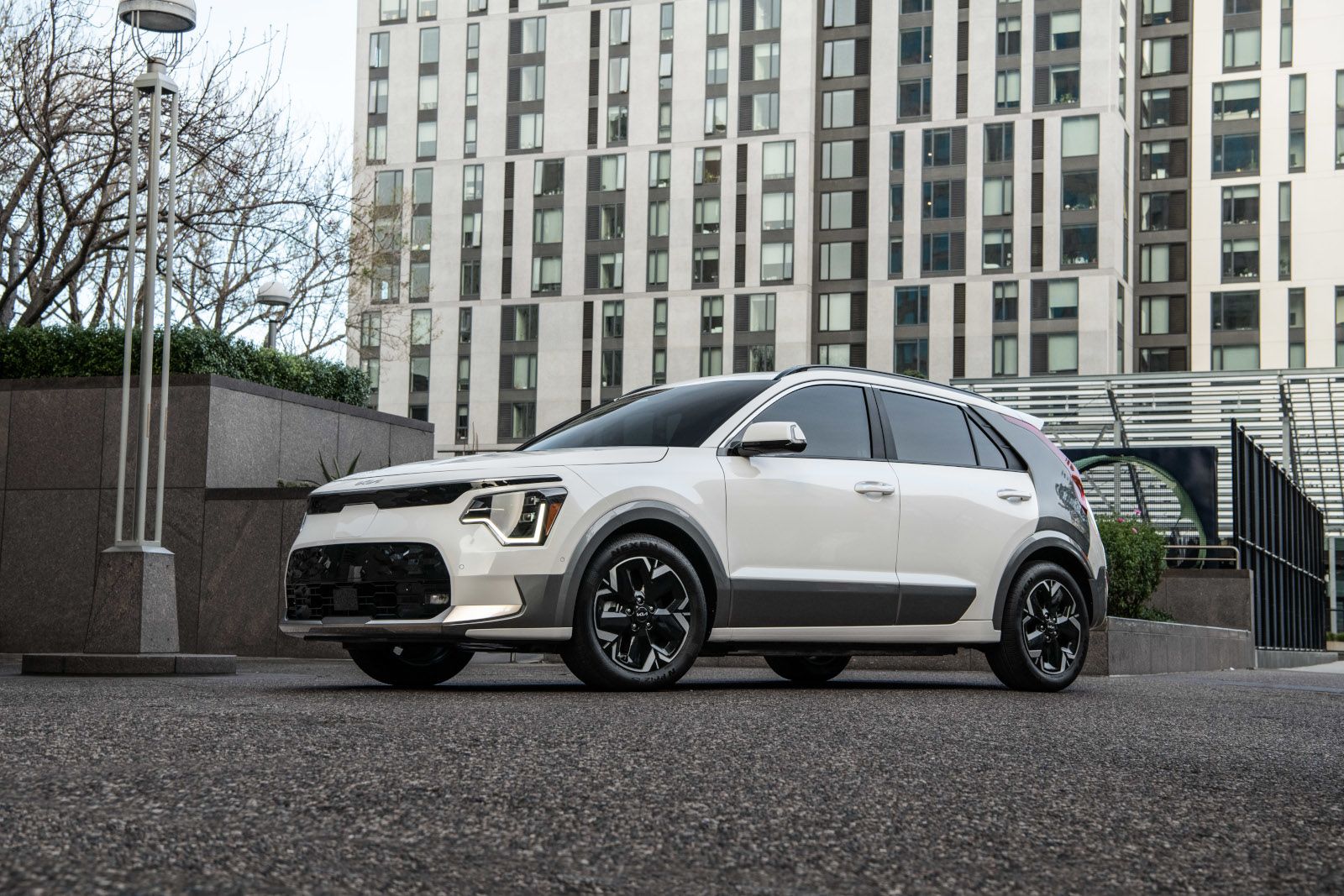
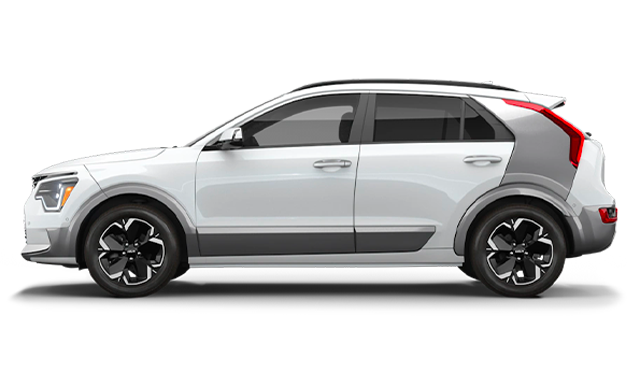
Anyone who drives through Ontario’s morning traffic knows the drill: brake, creep, brake again, repeat until the light finally changes. The 2026 Kia Niro EV handles that rhythm differently than a gas car, and it starts with how you use your right foot.
This isn’t a novelty trick for EV shoppers who like new tech. It’s a practical shift in how you slow down, and it changes the physical experience of a daily commute more than most buyers expect.
What One-Pedal Driving Means in the Niro EV
One-pedal driving describes how lifting off the accelerator does more in an EV than it does in a gas car. Instead of the vehicle simply coasting, the Niro EV’s regenerative braking system starts slowing the car as soon as you ease off the pedal.
The result is that a driver can manage most low-speed slowing, and sometimes a full stop, without moving their foot to the brake pedal at all. That’s the core idea behind the term, and it’s built around the Niro EV’s 201 hp electric motor and 64.8 kWh battery working in reverse, capturing energy instead of using it.
How Regenerative Braking Works Behind the Scenes
When you lift off the accelerator, the electric motor switches roles. Instead of pushing the wheels, it resists them, converting the car’s momentum back into electricity and sending it to the battery pack.
The Niro EV’s Drive Mode Select lets you shape how that deceleration feels. A relaxed setting lets the car slow down gently, closer to a traditional coast, while a stronger setting pulls speed off more assertively the moment you lift off. That gives the driver real influence over how sharp or gentle the slowdown feels, rather than one fixed behaviour for every trim.
For most drivers, this takes a short adjustment period rather than a steep learning curve. The first few stops might feel more abrupt than expected; after that, timing the lift-off point becomes automatic, similar to learning where a new car’s brake pedal bites.
Why It Matters for Ontario Commutes and Stop-and-Go Traffic
Highway cruising doesn’t showcase this feature much: at a steady speed, there’s little slowing to do. Where it earns its keep is everywhere else in an Ontario commute.
Think about the situations that fill an average week: a red light with a long queue behind it, crawling through a school pick-up line, or inching forward in construction-zone traffic. In each case, the driver is making small, repeated speed adjustments, and one-pedal driving lets much of that happen with the accelerator alone.
That means less foot movement between pedals over a full commute. Over dozens of stops a week, that adds up to a calmer, more predictable driving rhythm, particularly in dense traffic where a driver would otherwise be constantly modulating the brake.
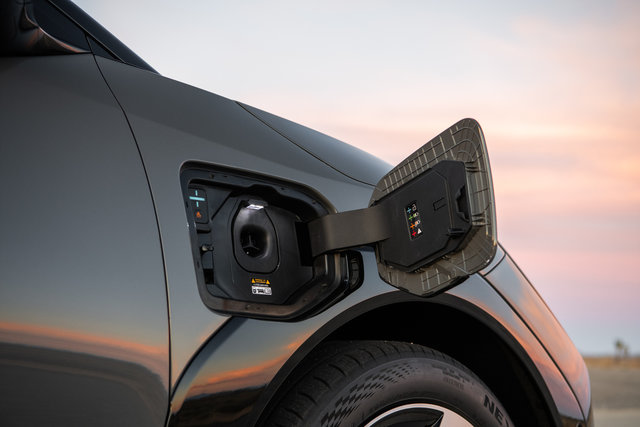
The Niro EV’s broader regenerative-braking setup also feeds its efficiency story. Energy that would be lost as heat in a friction brake instead goes back into the battery, supporting the EV’s 407 km driving range and reducing how often the 11 kW onboard charger or a DC fast charger needs to top things up.
Who Gets the Most Out of It
Drivers with a stop-heavy commute, frequent parking-lot manoeuvring, or regular school-run traffic will notice the biggest change. Smoother low-speed control and less brake-pedal effort translate directly into a more relaxed drive when traffic never really settles into a steady flow.
Drivers who spend most of their trip at a constant highway speed will notice it less; there’s simply less slowing and speeding up for the feature to manage. And some drivers, especially those used to a traditional coast, may prefer a lighter regenerative setting, or switching it off in favour of conventional braking on longer, steadier drives.
The rest of the cabin supports that same commute-focused case. The 10.25-inch touchscreen keeps navigation and charge status within easy view, and Kia Connect features like remote climate control and a heated steering wheel mean the cabin can be comfortable before you even get in on a cold Ontario morning. None of that replaces the driving feel itself, but it rounds out what makes the Niro EV livable as a daily driver rather than just efficient on paper.
Feel the Niro EV’s Pedal Response at Bessada Kia
One-pedal driving changes the physical habit of commuting more than it changes a spec sheet, and the only real way to judge it is behind the wheel in traffic-like conditions. Try a stretch of stop-and-go driving, a parking lot crawl, and a few repeated stops to see how the transitions feel.
Visit Bessada Kia in Pickering to book a test drive in the 2026 Niro EV and judge the pedal feel, the smoothness of the stops, and whether the system matches your own driving habits.
To learn more about the 2026 Kia Niro EV, visit Kia.ca